Ornamental Fleur-de-Lis Review
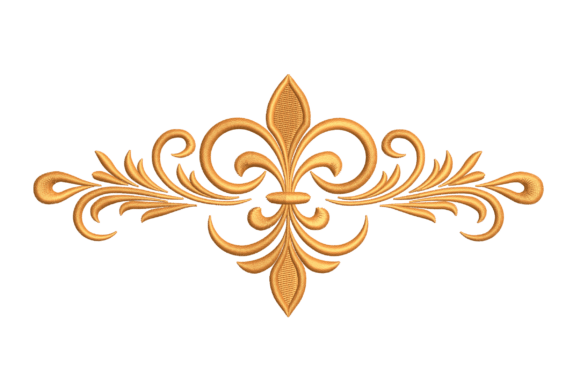
As an embroidery designer who has spent years translating digital concepts into tangible brand assets, I approach every new machine embroidery design with a critical eye. We are not just looking for pretty patterns; we are looking for commercial viability, scalability, and brand alignment. Today, I am reviewing the Ornamental Fleur-de-Lis, a design described as an "Elegant Vintage Decorative Stitch" featuring classic ornamental curves and rich detailing. While categorized under Dessert Sweets in some marketplaces, its aesthetic transcends that niche, making it a versatile asset for small business merch, boutique branding, and high-end custom apparel.
First Impressions: Visual Personality and Brand Fit
The moment you preview the Ornamental Fleur-de-Lis, the first thing that strikes you is its premium quality. This is not a basic, clip-art style lily. The description highlights "classic ornamental curves," which suggests a design that leans heavily into elegance, heritage, and sophistication. For a small business owner—whether you run a luxury bakery, a vintage-inspired florist, or a high-end pet brand—this design immediately signals professionalism.
In the world of brand identity, visual cues matter immensely. A fleur-de-lis is historically associated with royalty, purity, and French culture, but in modern embroidery file applications, it often serves as a marker of timeless style. This specific rendition feels balanced between bold and delicate. It is not overly playful, nor is it starkly corporate. Instead, it occupies a sweet spot of "handmade product" authenticity combined with polished execution. When placed on a product, it tells the customer that the brand cares about detail and quality.
Real-World Business Applications
The true test of any digital embroidery file is how it performs in production. Here is how the Ornamental Fleur-de-Lis translates across various merchandise categories:
- Embroidered Patches: This design is an exceptional candidate for iron-on or sew-on patches. The central symmetry allows it to be easily cropped into circular or shield-shaped patches without losing its integrity. These can be used as badges on denim jackets, backpacks, or as decorative elements on apron embroidery projects for chefs and bakers.
- Chest Logos and Uniforms: For staff uniforms, particularly in hospitality or boutique retail, this design works beautifully as a left-chest logo. Its elegant curves read well at standard chest sizes (typically 3-4 inches wide), offering a subtle yet recognizable mark of brand pride without overwhelming the garment.
- Cap Embroidery: The vertical orientation of many fleur-de-lis designs makes them ideal for cap embroidery. Placed centrally on the front panel, it adds a touch of class to baseball caps or structured hats. However, care must be taken with the curvature of the hat front to ensure the design does not distort.
- Tote Bag Design: A large-scale application on canvas tote bags creates a striking statement piece. The "rich detailing" mentioned in the product description will pop against natural canvas or dark cotton blends, making it a perfect marketing tool for craft fairs, Etsy sellers, and creative studios.
- Product Packaging Accents: Beyond apparel, this design can be embroidered onto fabric tags or hang-tags attached to your products. This elevates the unboxing experience, turning a simple purchase into a premium gift. It reinforces visual consistency across all touchpoints of your brand.
Strategic Considerations and Limitations
No design is perfect for every scenario. As a professional, I advise caution in the following areas when using the Ornamental Fleur-de-Lis:
- Small Patch Sizes: If you plan to use this design on very small items (under 1.5 inches), the "rich detailing" may become muddy. Fine lines and intricate curves can merge together if the stitch density is too high for the available space. Always downsize and inspect carefully before mass production.
- Curved Surfaces: When applying this to curved surfaces like the front of a cap or a rounded mug sleeve, the horizontal width of the design might cause distortion. You may need to adjust the digitizing or choose a narrower aspect ratio version if available.
- Fabric Texture: This design relies on clean lines. On highly textured fabrics like heavy boucle wool or loose-weave linen, the stitches may sink in, obscuring the details. It performs best on smooth to medium-texture fabrics such as cotton, polyester blends, or twill.
- Dark Uniforms: Ensure you have sufficient thread colors for contrast. If your uniform is black or navy, you will need light-colored threads (white, cream, gold) to make the ornamental curves visible. Dark-on-dark embroidery will likely result in a lost design.
- High Wash Frequency: For items like work aprons or chef coats that undergo frequent industrial washing, ensure the design uses a dense enough fill to prevent wear. The outlines should be robust to maintain shape over time.
Impact on Brand Identity and Customer Trust
Using a sophisticated design like the Ornamental Fleur-de-Lis directly influences customer trust and recognition. In a crowded marketplace, especially for Etsy branding and craft business assets, differentiation is key. A well-executed embroidery project signals that you are invested in your product’s longevity and appearance.
When a customer sees a neatly stitched, detailed emblem on a tote bag or a branded patch, it subconsciously communicates reliability. It suggests that if you take this much care with your logo, you likely take similar care with your product quality. This enhances product value and supports higher price points. Furthermore, the "vintage" feel of the design can evoke nostalgia and warmth, fostering an emotional connection with buyers who appreciate artisanal aesthetics.
Practical Designer Notes for Production
Before committing to bulk orders, follow these essential steps to ensure the finished product meets your standards:
- Test in Black and White: Convert the design to monochrome to check its silhouette. If it looks good in black and white, it will look great in color. This helps verify that the spacing and negative space are balanced.
- Check Hoop Size: Confirm the recommended hoop size for the design. Ensure it fits comfortably within your machine’s capabilities and leaves enough margin for handling.
- Thread Color Contrast: Select thread colors that provide maximum contrast against your target fabric. Test different thread combinations to see which brings out the "ornamental curves" most effectively.
- Stabilizer Selection: Use the appropriate stabilizer for your fabric type. Cut-away stabilizers are generally recommended for stretchy fabrics or long-term durability, while tear-away may suffice for stable wovens.
- Create a Printable Mockup: Before stitching, create a printable mockup or digital render to show clients or stakeholders. This allows for approval on placement and scale without wasting materials.
- Commercial Licensing: Crucially, confirm the commercial licensing terms. Just because you bought the file does not always mean you can sell unlimited quantities of the branded merchandise. Check the license agreement to ensure you are compliant.
In conclusion, the Ornamental Fleur-de-Lis is a strong contender for businesses seeking to add a touch of elegance and tradition to their embroidered patches and apparel. Its classic appeal ensures it won’t look outdated quickly, making it a wise investment for design assets that need to stand the test of time. By paying attention to technical details like stitch density and fabric choice, you can leverage this design to create memorable, high-quality branded goods that resonate with your audience.