Tiger Head Embroidery Design Review
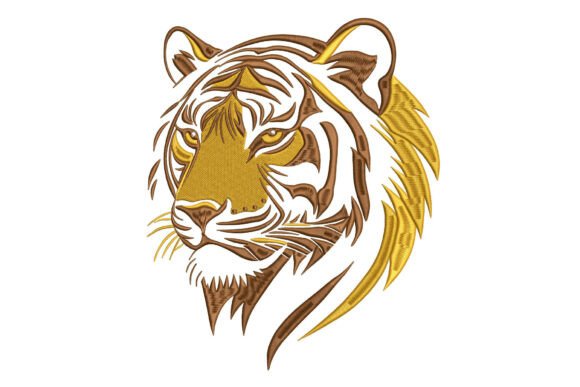
As an embroidery designer who spends half my life in front of a hoop and the other half trying to convince strangers at craft fairs that my $45 tote bag is worth it, I have learned one hard truth: visual impact sells before value does. When I look at a new digital file, I don’t just see stitches; I see a potential bestseller or a frustrating production nightmare. Today, I am reviewing the Tiger Head machine embroidery design from the Wild Animals category to determine if it has what it takes to grace our weekend market booths and Etsy shops.
The First Impression: Bold Personality Meets Marketability
The moment you open the preview for the Tiger Head design, it demands attention. It is not subtle. In the world of handmade products, subtlety is often a luxury we cannot afford when customers are walking past your table with ten other vendors competing for their eye. This design feels bold, modern, and undeniably cute without being overly childish. It strikes that perfect balance between "rustic chic" and "playful accent."
For an Etsy seller or a small shop product owner, this distinction is vital. The description promises it is "easy to stitch and full of personality," and my initial assessment confirms this. It does not rely on tiny, hairline details that disappear after three washes. Instead, it relies on strong shapes and clear lines. This makes it an excellent candidate for a tote bag design where the logo needs to be readable from five feet away, or for an apron embroidery project where the focal point sits right over the wearer’s chest.
Product Versatility: Where Does Tiger Head Shine?
When planning a booth display, variety is key, but consistency builds a brand. The Tiger Head design is versatile enough to appear across multiple product categories while maintaining a cohesive aesthetic. Here is how I envision this embroidery file performing on specific items:
- Tote Bags and Market Bags: This is the bread and butter of any craft fair. A single, centered Tiger Head on a natural canvas tote creates an instant craft fair product vibe. It photographs beautifully for online listings because the contrast against neutral fabrics is high.
- Kitchen Towels and Aprons: For the home decor crowd, placing this design on a linen tea towel adds a touch of whimsy. However, be mindful of fabric texture; heavy waffle weaves can sometimes obscure fine details, so test on scrap first.
- Caps and Beanies: Curved surfaces are tricky. If the Tiger Head design is compact enough, it works well as a left-chest accent on dad hats. Just ensure the hoop size allows for proper stabilization on the curve.
- Embroidered Patches: If the design includes a clean edge or a satin border, it can be cut out and sewn onto denim jackets or backpacks. This increases the perceived value of the item significantly.
- Pillow Covers and Small Pouches: These make great impulse buys. A small Tiger Head on a zippered pouch appeals to kids and adults alike, making it a perfect gift item.
Production Practicality: What Sellers Need to Know
Creating beautiful samples is easy; producing them efficiently is hard. As a designer, I look for designs that minimize thread breaks and stabilize well. The Tiger Head description notes it is "easy to stitch," which usually implies a moderate stitch count and efficient jump-trim placement. This is crucial for commercial embroidery owners who need to turn around orders quickly.
However, no design is perfect out of the box. Here are the critical technical checks every maker must perform before hitting "start":
- Stitch Density Check: Look closely at the tiger’s eyes and nose. Are these areas filled with dense stitches? If so, they may pucker thin cotton t-shirts. Use a cut-away stabilizer for knits and a tear-away for wovens.
- Thread Contrast: Black thread on black fabric will vanish. White thread on white fabric will disappear. To make this finished product pop, consider using metallic threads for the outline or high-contrast colors like orange and teal against navy blue.
- Hoop Size Verification: Confirm the required hoop size matches your machine. If the design is large, you may need to reposition the hoop, which increases production time.
- Fabric Texture Compatibility: Avoid stitching this on highly textured fabrics like chunky wool or thick fleece unless you are confident in your tension settings. Smooth cottons and linens yield the crispest results.
Marketing and Visual Appeal
In the digital age, your printable mockup is just as important as the physical item. The Tiger Head design is visually striking, which means it translates well to photos. Its bold lines stand up to compression and resizing on social media platforms like Instagram and Pinterest. When creating your Etsy listing, use close-up shots to show the quality of the stitching. Highlight the "personality" mentioned in the description—perhaps stage a photo of the tiger head on a coffee mug next to a real cat or a pair of sunglasses.
This design also supports brand consistency. If you run a boutique focused on wild animal themes or nature-inspired goods, adding the Tiger Head to your catalog fills a gap without cluttering your aesthetic. It feels premium yet accessible, encouraging buyers to view your work as professional-grade rather than amateur hobbyist output.
Final Verdict for Craft Fair Sellers
Does the Tiger Head deserve a spot in your production queue? Yes. It offers the perfect blend of visual punch and production ease. It is not a niche design that only appeals to tiger enthusiasts; it is a stylish graphic that appeals to anyone who loves unique, handcrafted goods. By testing it on your most popular blanks—totes, aprons, and caps—you can quickly gauge customer interest. Just remember to check your stabilizer choices and confirm your commercial licensing rights before selling finished items. With the right execution, this digital embroidery file could easily become one of your top-selling booth items this season.