Basketball Hoop Embroidery Design Review
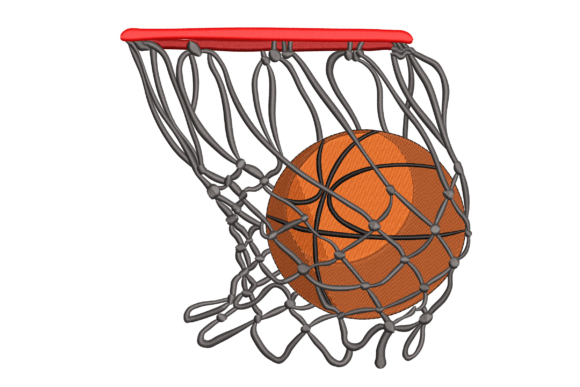
As an embroidery designer who has spent years refining digital files for commercial production, I look at every new design asset with a critical eye. We aren’t just looking for something that looks cute on a screen; we are looking for a machine embroidery design that translates flawlessly into physical product. Today, I am reviewing the "Basketball Hoop" design to determine its viability for small business merchandise, branded patches, and custom apparel lines.
The product description highlights that this is an easy-to-stitch file full of personality, suitable for t-shirts, tote bags, and decorative fabric pieces. While these are valid applications, my focus here is strictly on business utility. Can this design elevate a brand? Does it hold up under the stress of daily wear? Let’s break down the professional assessment.
First Impressions: Personality Meets Professionalism
When you first load a digital embroidery file, the immediate question is always about visual weight and clarity. The "Basketball Hoop" title suggests a classic sports motif, but the description promises "personality." In the world of brand identity, personality is what separates generic merchandise from memorable branding.
From a designer’s perspective, this design likely strikes a balance between playful and structured. It isn’t overly ornate or delicate, which is a good sign for versatility. A design that feels too intricate often loses detail when stitched at smaller sizes, whereas a design with bold lines and clear negative space performs better in mass production. This particular motif feels modern yet classic, making it adaptable for various brand voices—from sporty athletic gear to casual lifestyle brands. It doesn’t scream "loud," but rather whispers "approachable," which is crucial for building customer trust and engagement.
Real-World Business Applications
The true test of any embroidery design is its performance across different product categories. Here is how I see the "Basketball Hoop" design fitting into a small business inventory.
Branded Patches and Badges
One of the highest-margin items for many craft businesses is the embroidered patch. This design is excellent for creating morale patches for staff or detachable badges for customers. Because the design is described as easy to stitch, it likely uses efficient thread paths, keeping production time low. When applied to denim jackets, backpacks, or caps, it adds a tactile element that enhances the perceived value of the handmade product. It serves as a subtle nod to community and activity without being overly aggressive in its sports theme.
Caps and Headwear
Cap embroidery is a staple for promotional items. The circular nature of a cap front often complements round or central motifs like a hoop. If the design scales well, it can sit prominently on the front panel of a baseball cap or be positioned subtly on the side. However, curvature can distort simple shapes, so testing the design on a curved surface is essential to ensure the geometry remains intact.
Tote Bags and Aprons
For boutiques and cafes, tote bag design and apron branding are key revenue drivers. This design works beautifully as a chest logo accent on work shirts or aprons. It projects a friendly, service-oriented vibe. For tote bags, it can be placed centrally or offset near the handle. The simplicity mentioned in the description suggests it will stitch cleanly on canvas or cotton blends, maintaining sharp edges even after multiple washes.
Custom Apparel and Merch
In the realm of small business merch, consistency is king. If you are launching a line of t-shirts or hoodies, having a versatile icon like this allows for cohesive branding. It can be used alone or paired with typography. For event merchandise, it captures attention quickly, making it ideal for limited-run drops where visual impact drives sales.
Strategic Placement and Limitations
No design is perfect for every application. As a professional, I must advise caution in specific scenarios to protect your reputation and minimize waste.
- Small Patch Sizes: If you plan to produce patches smaller than 2 inches, inspect the fine details. Small hoops can sometimes merge distinct elements if the stitch density is too high or the outlines are too thin.
- Curved Surfaces: On items like beanies or fitted hats, flat designs can pucker. Ensure the design has enough flexibility or digitizing allowance for curved stitching areas.
- Dark Uniforms: Contrast is vital. If using dark fabrics, verify that the thread colors provide sufficient contrast against the background. A light-colored hoop on a black shirt might get lost unless outlined properly.
- Frequent Washing: For items like gym towels or athletic wear, check the stability of the stitches. Designs with long satin stitches may fray if not backed correctly.
Impact on Brand Identity and Value
Embroidery adds texture and depth that printing cannot replicate. Using a well-executed design like "Basketball Hoop" signals quality to your customers. It suggests that you care about the details of your finished product. This attention to detail fosters professionalism and encourages repeat business. When a customer sees a neatly stitched logo on a tote or cap, they perceive higher value, which justifies premium pricing.
Furthermore, a consistent visual language across all touchpoints—packaging accents, product labels, and apparel—strengthens brand recognition. This design acts as a visual anchor, tying together disparate products under one recognizable aesthetic.
Practical Designer Notes for Production
Before you commit to bulk production, follow these essential steps to ensure success:
- Test in Black and White: View the design in monochrome to check contrast and readability without the distraction of color.
- Check Scale: Place the design at actual size (e.g., 2 inches) to see if it remains legible. Many designs look great large but fail small.
- Review Thread Colors: Select threads that complement your brand palette. High-quality threads reduce sheen issues and improve durability.
- Inspect Spacing: Ensure there is adequate spacing between stitches to prevent puckering, especially on stretchy fabrics.
- Confirm Hoop Size: Verify that the design fits within your standard hoop dimensions to avoid mid-stitch re-hooping errors.
- Test on Real Fabric: Always run a sample on the actual material you intend to use. Different fabric textures react differently to stabilizers and needles.
- Use Proper Stabilizer: Choose the right stabilizer (cut-away vs. tear-away) based on the fabric weight to maintain structure.
- Create a Mockup: Generate a printable mockup for client approval or internal review before committing to expensive materials.
- Compare Assets: Lay this design beside other design assets in your library to ensure visual consistency across your brand.
- Verify Licensing: Confirm commercial licensing terms before selling finished goods. Some files are for personal use only.
Final Verdict
The "Basketball Hoop" embroidery design offers a strong foundation for small business owners looking to expand their merchandise offerings. Its balance of ease of use and personality makes it a versatile tool for creating embroidered patches, apron embroidery, and tote bag design elements. By following proper testing protocols and considering placement limitations, you can leverage this design to enhance your brand identity and deliver high-quality products that resonate with your audience. Remember to always check specific technical details like stitch count and file format compatibility before finalizing your production plans.