Game Day Soccer Ball Review
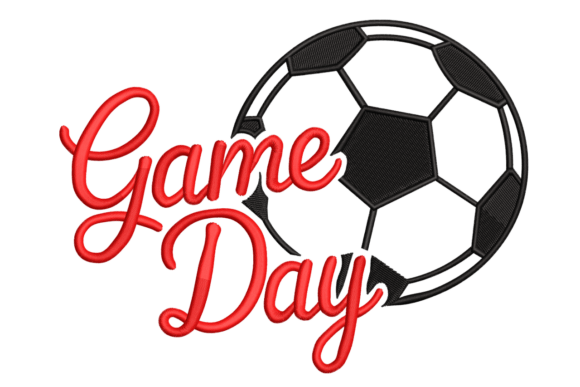
As an embroidery designer who has spent years turning digital files into tangible brand assets, I approach every new machine embroidery design with a critical eye. We are not just stitching shapes; we are creating touchpoints for customer engagement and reinforcing brand identity. Today, I am reviewing the "Game Day Soccer Ball" file to determine its viability for small business merchandise, branded patches, and custom apparel projects.
The product description highlights that this is an easy-to-stitch design full of personality, suitable for t-shirts, tote bags, or decorative fabric pieces. While the description is brief, these keywords suggest a design that balances simplicity with character. For small business owners, Etsy sellers, and merch creators, finding designs that are both production-friendly and visually distinct is the holy grail. Below is my professional assessment of how this embroidery file performs in real-world commercial applications.
First Impressions: Personality Meets Production Efficiency
When evaluating a digital embroidery file, the first step is visualizing the finished product. The "Game Day Soccer Ball" title implies a classic sports motif, but the promise of "personality" suggests it avoids being overly generic. In the world of small business merch, clients often struggle to find assets that feel handmade yet professional. A standard soccer ball can sometimes look flat or corporate, but if this design incorporates subtle textural details or playful styling, it becomes a powerful tool for boutique brands, bakeries, pet businesses, or creative studios looking to add a sporty flair to their offerings.
From a production standpoint, the note that it is "easy to stitch" is crucial. High stitch counts lead to longer run times, increased thread consumption, and higher labor costs. For an embroiderer producing bulk orders for staff uniforms or event merchandise, efficiency directly impacts profit margins. This design likely strikes a balance between detail and speed, making it ideal for high-volume runs without sacrificing aesthetic quality.
Real-World Business Applications
The versatility of the "Game Day Soccer Ball" makes it a strong candidate for various commercial embroidery projects. Here is how I see it performing across different product categories:
- Embroidered Patches: One of the most profitable uses for this design is as an iron-on or sew-on patch. Brands love adding patches to denim jackets, backpacks, and tote bags to create a customized look. Because the design is described as having personality, it stands out well on contrasting fabrics, serving as a focal point for handmade products.
- Staff Uniforms and Aprons: For cafes, breweries, or sports-themed restaurants, a chest logo or sleeve accent featuring this design can unify the team’s appearance. It conveys energy and approachability. When applied to apron embroidery projects, it adds a touch of fun to functional workwear, enhancing the perceived value of the uniform.
- Tote Bag Design: Canvas totes are a staple for crafters and eco-conscious brands. A centered or offset soccer ball design works beautifully here. It is simple enough to be recognizable from a distance but detailed enough to reward a closer look. This is particularly effective for tote bag design campaigns aimed at students, athletes, or casual shoppers.
- Cap Embroidery: Structured caps require precise digitizing. If the "Game Day Soccer Ball" has clean outlines and manageable stitch density, it will render sharply on the curved front panel of hats. This is a popular item for local businesses wanting to distribute branded gear at community events or trade shows.
- Product Packaging Accents: Beyond apparel, this design can be stitched onto hang tags, gift boxes, or fabric labels. Adding a tactile element to packaging elevates the unboxing experience, fostering customer trust and recognition. It transforms a standard package into a finished product that feels curated and premium.
Strategic Considerations and Potential Pitfalls
While the design sounds promising, there are specific scenarios where caution is required. Not every embroidery file translates perfectly to every surface. As a designer, I advise clients to consider the following limitations:
Small Patch Sizes and Detail Loss: If you plan to scale this design down to a 2-inch patch or a tiny sleeve logo, intricate details may become muddy. Textures that read well at 4 inches might disappear entirely at 1 inch. Always test the design at your intended final size before committing to a large production run.
Fabric Texture and Contrast: Embroidery relies heavily on light and shadow. On highly textured fabrics like heavy wool or loose-weave linen, the stitches may sink in, losing definition. Similarly, on dark uniforms, ensure the thread colors provide sufficient contrast. A white soccer ball on a black shirt will pop, but a gray outline on navy blue may lack visibility. Proper stabilizer choice is also vital to prevent puckering, especially on stretchy knit fabrics used for t-shirts.
Curved Surfaces and Hoop Size: When placing this design on caps or rounded items, the curvature can distort straight lines. Ensure the digitizing accounts for the natural curve of the garment. Additionally, confirm that the hoop size required by the file fits within the physical constraints of your project area. Oversized designs on small items can lead to trimming issues or misalignment.
Impact on Brand Identity and Customer Trust
In the competitive landscape of custom apparel and design assets, consistency is key. Using a cohesive set of embroidery files helps build a recognizable visual language. The "Game Day Soccer Ball" contributes to a brand image that is active, friendly, and community-oriented. It signals that the business values craftsmanship and attention to detail.
When customers receive a product with high-quality embroidery, they perceive greater value. The tactile nature of thread creates an emotional connection that printed graphics cannot replicate. By choosing a design that is both aesthetically pleasing and durable, you reinforce professionalism and encourage repeat purchases. Furthermore, using unique designs rather than generic clipart helps differentiate your brand in crowded marketplaces like Etsy or Amazon Handmade.
Practical Designer Notes for Production
Before integrating the "Game Day Soccer Ball" into your commercial workflow, follow these essential steps to ensure success:
- Test in Black and White: Convert the design to monochrome to check its structural integrity. If the shape holds up without color, it will likely perform well in any thread palette.
- Review Thread Color Contrast: Select threads that enhance the design’s personality. Don’t be afraid to experiment with metallics or variegated threads for special editions, but ensure readability remains paramount.
- Inspect Spacing and Density: Zoom in on the digitizing. Are there areas where stitches overlap excessively? Is there enough negative space to prevent bulkiness? Adjusting underlay or stitch length can improve the final look.
- Confirm Hoop Size and Stabilizer: Match the hoop size to your machine and project. Use the appropriate stabilizer (cut-away for knits, tear-away for wovens) to maintain stability during stitching.
- Create a Printable Mockup: Before cutting fabric, generate a printable mockup to visualize the design on the actual product. This allows for client approval and reduces waste.
- Verify Commercial Licensing: Crucially, ensure you have the right to use this embroidery file for commercial purposes. Check the license terms provided by the creator. Unauthorized use can lead to legal issues and damage your business reputation.
In conclusion, the "Game Day Soccer Ball" appears to be a versatile and efficient addition to any designer’s library. Its ease of stitching and adaptable personality make it suitable for a wide range of small business merch applications. By paying attention to fabric choices, placement, and licensing, you can leverage this design to create memorable, high-quality embroidered products that resonate with your audience.