Merry Bright Embroidery Design Review
As an embroidery designer who spends hours evaluating digital assets for client collections, I approach every new file with a mix of skepticism and excitement. The market is saturated with generic holiday graphics, so finding a design that truly elevates a garment requires a keen eye for detail, texture, and commercial viability. Recently, I reviewed Merry Bright, a decorative machine embroidery design intended for fashion and home projects. My goal was to determine if this asset could serve as the centerpiece for a premium sweatshirt drop for a small boutique brand. After testing various fabric combinations and placement strategies, here is my professional assessment of how Merry Bright performs in a real-world apparel context.
First Impressions: Mood and Aesthetic
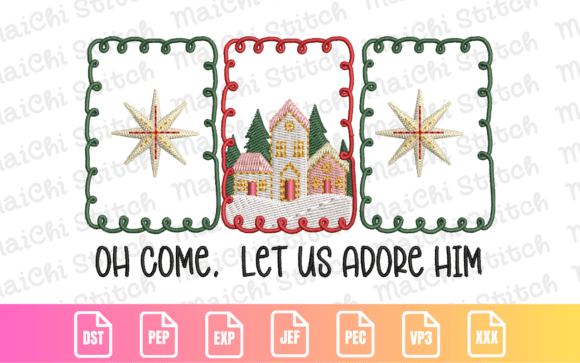
The title "Merry Bright" suggests cheerfulness, but the execution determines whether it lands as cute, bold, or sophisticated. From a design perspective, Merry Bright exudes a decorative personality that leans heavily into the handmade aesthetic. It does not feel like a mass-produced graphic; instead, it offers a unique handcrafted feel that resonates with today’s consumer desire for authenticity. The layout appears balanced, avoiding clutter while maintaining enough visual interest to stand out on a rack of garments. For a boutique brand looking to establish a distinct identity, this design strikes a lovely balance between festive warmth and wearable elegance. It feels both playful and refined, making it suitable for a wide demographic rather than just a niche audience.
Sweatshirt Embroidery Applications
Sweatshirt embroidery presents specific challenges due to fabric thickness and stretch. When considering Merry Bright for a limited edition hoodie collection, I evaluated its performance across different placements and garment styles. On neutral sweatshirts, such as oatmeal, heather grey, or soft white, the design allows the texture of the stitches to take center stage without competing with busy patterns. The contrast is clean, and the finished product looks polished.
For dark fabrics, such as charcoal or navy, Merry Bright can create a striking visual impact, provided the thread colors are chosen carefully. The decorative elements of the design likely benefit from lighter or metallic threads to ensure readability against the deep background. This combination adds a touch of luxury, elevating the perceived value of the item. Conversely, on pastel colors like blush pink or sage green, the design takes on a softer, more rustic charm. This pairing works exceptionally well for cozy seasonal apparel, appealing to customers seeking comfort and style.
I also considered oversized hoodies, which are currently dominating streetwear trends. Placing Merry Bright on the chest area of an oversized fit creates a focal point that draws the eye upward. Alternatively, using it as a back design allows the garment to speak through its silhouette, with the embroidery serving as a subtle signature. For sleeve accents, smaller iterations of the design could work as cuff details or side-seam logos, adding a layer of intricate branding that customers appreciate upon closer inspection.
Technical Considerations for Commercial Use
Before integrating Merry Bright into a production workflow, several technical factors must be addressed. Stitch density is crucial when working with fleece or French terry materials. If the stitch count is too high, the fabric may pucker or lose its soft hand-feel, which is unacceptable for premium apparel. Designers should verify the stitch density of the embroidery file to ensure it remains flexible and durable after washing. Additionally, hoop size constraints may limit where the design can be placed on certain garment constructions, particularly around seams or pockets.
Fabric texture also plays a significant role. Embroidering on highly textured fabrics can obscure fine details, so it is essential to test the design on the actual material before committing to a full run. Stabilizer choice is equally important; a cut-away stabilizer is typically recommended for sweatshirts to provide lasting support and prevent distortion over time. While the product description highlights the design’s decorative nature, it does not specify exact file formats or license terms. As a responsible creator, you must check these details to ensure compliance with commercial usage rights and technical compatibility with your digitizing software.
Brand Identity and Market Positioning
In the competitive landscape of Etsy listings and small shop products, visual recognition is key. Merry Bright contributes significantly to brand identity by offering a consistent, high-quality aesthetic. When used in lifestyle product photography, the texture of the embroidery catches light beautifully, creating depth and dimension in mockup previews. This attention to detail signals professionalism and care, which directly impacts buyer trust and customer engagement.
For digital sellers and creative entrepreneurs, having versatile design assets like Merry Bright allows for greater flexibility in marketing. You can showcase the same design on multiple products—sweatshirts, tote bags, or hats—creating a cohesive collection that appeals to shoppers looking for coordinated gifts. The handmade product appeal is heightened when the embroidery looks intentional and well-executed. By prioritizing quality in your custom apparel offerings, you differentiate yourself from competitors who rely on low-effort prints or poorly digitized designs.
Thread Colors and Visual Impact
The success of any embroidery project often hinges on thread color selection. With Merry Bright, experimenting with contrasting thread colors can dramatically alter the mood of the piece. Traditional reds and greens will emphasize the Christmas theme, while monochromatic schemes offer a modern, minimalist twist. Metallic threads can add a festive sparkle, perfect for holiday parties or special occasions. It is advisable to create swatches on your target fabric to assess how the thread interacts with the material under different lighting conditions. This step ensures that the final product meets your standards for beauty and texture.
Conclusion
Merry Bright proves to be a versatile and charming addition to any embroidery designer’s toolkit. Its decorative style and handcrafted feel make it an excellent choice for boutique brands aiming to create memorable, high-quality apparel. Whether applied to a cozy hoodie or a stylish sweatshirt, the design enhances the overall aesthetic and adds tangible value to the finished product. However, success ultimately depends on proper technical execution, including appropriate stabilizer use, stitch density management, and thoughtful thread selection. By paying attention to these details, you can leverage Merry Bright to build a strong brand presence and connect with customers who appreciate the art of handmade fashion. Remember to always review the specific technical specifications of the digital embroidery file before production to ensure seamless integration into your workflow.