Jesus Embroidery Design Review
As an experienced embroidery designer who has spent years refining digital files for commercial production, I approach every new design asset with a critical eye. When evaluating a machine embroidery design for small business merchandise, we are not just looking at aesthetics; we are assessing viability, durability, and brand alignment. Today, I am reviewing the "Jesus" embroidery file, a product categorized under Christmas but possessing a versatility that extends far beyond the holiday season. This review is tailored for small business owners, Etsy sellers, apparel decorators, and crafters who need to determine if this specific embroidery file fits into their commercial workflow.
First Impressions and Visual Personality
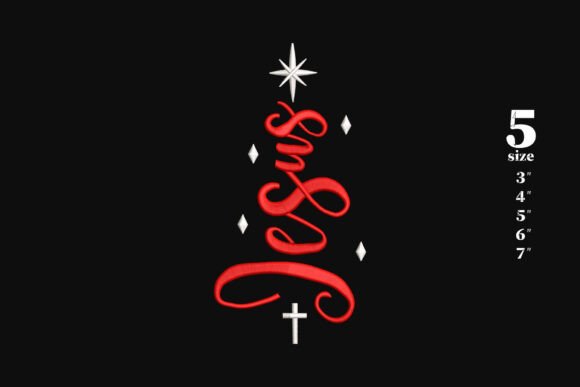
The product description states that this is a "beautiful Jesus Embroidery Design" that is "high-quality, fun, and easy to stitch." It promises to look "elegant and eye-catching on any fabric or project you choose." From a designer’s perspective, these keywords suggest a balance between reverence and accessibility. The word "fun" implies a playful or modern interpretation rather than a strictly traditional or solemn one, which can be a powerful differentiator in today’s market. "Elegant" suggests clean lines and professional execution, while "eye-catching" indicates sufficient visual weight to stand out on garments and accessories.
For a small café, boutique, or handmade shop, this duality is crucial. A design that is too ornate may lose detail when scaled down, while one that is too simple may lack the emotional resonance required for faith-based or community-focused branding. This design appears to hit a sweet spot, offering a premium feel without requiring excessive stitching time, which directly impacts your production costs and turnaround times.
Real-World Business Applications
The true test of any digital embroidery file is its performance in real-world applications. Here is how the "Jesus" design translates across various small business merchandising channels:
- Embroidered Patches: One of the most profitable items for craft businesses is the embroidered patch. This design’s description suggests it would work exceptionally well as a chest logo accent or a back-of-cap emblem. Its "easy to stitch" nature means lower thread consumption and faster hooping times, allowing you to produce higher volumes of patches for resale on platforms like Etsy.
- Staff Uniforms and Aprons: For bakeries, florists, or local cafes, branded uniforms build team cohesion and customer trust. Placing this design on the chest pocket of a white apron or a navy work shirt adds a touch of personal values to professional attire. The "elegant" quality ensures it looks appropriate in a service environment, reinforcing a sense of care and hospitality.
- Tote Bags and Totes: Canvas tote bags remain a staple for handmade brands. A central placement of this design on a natural cotton tote creates a strong focal point. Because the design is described as "fun," it pairs well with casual, everyday items, encouraging customers to use the bag repeatedly, thereby extending your brand visibility.
- Cap Embroidery: Structured caps require designs that hold up on curved surfaces. If the "Jesus" design features bold outlines and clear negative space, it will translate beautifully to cap fronts. This is ideal for event merch, volunteer groups, or promotional giveaways where brand recognition needs to be immediate and legible from a distance.
- Product Packaging Accents: Beyond apparel, consider using this design on garment tags or hang tags attached to other products. A small, high-quality embroidered label featuring this motif adds a tactile, premium element to your packaging, elevating the perceived value of your entire product line.
Strategic Brand Identity Impact
Incorporating religious or spiritual motifs into small business merch requires careful consideration of your target audience. Using the "Jesus" design signals specific values: warmth, community, tradition, and faith. For businesses targeting these demographics, the design acts as a silent ambassador, fostering an immediate connection with customers who share those values. This can significantly enhance customer loyalty and engagement.
However, it also demands professionalism. The design must not appear cheap or poorly executed. The description’s emphasis on "high-quality" is reassuring, but as a buyer, you must verify this through testing. A well-executed embroidered patch or logo conveys stability and attention to detail, traits that transfer to how customers perceive your overall brand integrity. Conversely, a sloppy execution can undermine trust. Therefore, the visual consistency of this design across different materials is paramount.
Where to Use with Caution
While the design shows promise, there are specific scenarios where caution is advised. Always evaluate the following constraints before committing to mass production:
- Small Patch Sizes: If you plan to scale this design down to a size smaller than 2 inches, inspect the fine details. Intricate outlines or tiny text may merge together, creating a muddy appearance. Test the design at its intended minimum size to ensure legibility.
- High Stitch Density: Designs with dense fills can become stiff and bulky, especially on delicate fabrics. Check the stitch density in your software. If it is too high, it may pucker lightweight tees or cause discomfort on skin-contact areas like cuffs.
- Dark Uniforms and Fabric Texture: Contrast is key. Ensure you have enough thread color options to make the design pop against dark backgrounds. On textured fabrics like heavy denim or fleece, the design may sink into the nap, losing definition. Always test on the actual fabric you intend to use.
- Curved Surfaces: While caps are common, other curved items like sleeves or rounded bags can distort straight lines. Verify that the design’s geometry allows for stretching over curves without distorting the central image.
Practical Designer Notes for Production
To ensure the "Jesus" design performs optimally in your commercial projects, follow these essential steps before finalizing your orders:
- Test in Black and White: Before selecting thread colors, view the design in monochrome. This helps you assess the balance of positive and negative space. If the design relies heavily on thin lines, it may lack impact in color.
- Check Hoop Size and File Compatibility: Confirm the maximum hoop size required by the file. Ensure it fits comfortably within your machine’s capabilities, leaving room for stabilization. Also, verify the file format (e.g., PES, DST, EXP) matches your embroidery machine.
- Inspect Thread Color Contrast: Choose thread colors that provide high contrast against your base fabric. For a "fun" yet "elegant" look, consider using metallic threads for accents or contrasting topstitching to define the edges.
- Use Proper Stabilizer: The choice of stabilizer (cut-away vs. tear-away) depends on the fabric and design density. For stretchy knits or heavy outerwear, a cut-away stabilizer is usually necessary to maintain shape after washing.
- Create a Printable Mockup: Before producing physical samples, create a printable mockup to show clients or stakeholders. This allows for approval on placement and scale without wasting materials.
- Confirm Commercial Licensing: Most importantly, verify the licensing terms of the digital embroidery file. Ensure you have the right to sell finished goods made from this design. Some creators restrict commercial use or require attribution.
Final Verdict
The "Jesus" embroidery design presents a compelling option for small business owners looking to add meaningful, high-quality elements to their merchandise. Its blend of elegance and approachability makes it suitable for a wide range of applications, from staff uniforms to festive holiday gifts. By conducting thorough tests on fabric, stitch density, and licensing, you can confidently integrate this design into your brand identity, creating products that resonate deeply with your customers and stand the test of time.