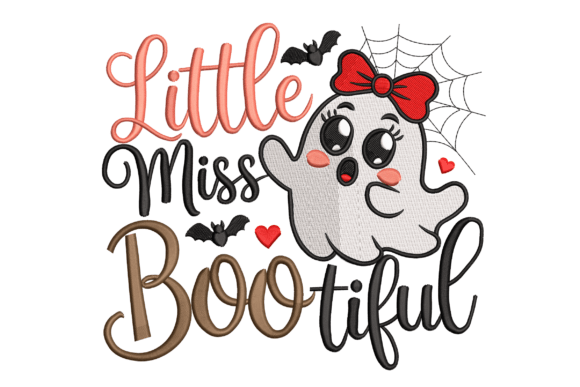
Little Miss Bootiful Embroidery Review
If you are preparing for the upcoming craft fair season, you know that the difference between a design that sits on the table and one that gets snatched up in the first ten minutes often comes down to visual impact and production practicality. As an embroidery designer who has spent years judging files before they ever hit the hoop, I am reviewing Little Miss Bootiful. This is not just about whether the code stitches correctly; it is about whether this machine embroidery design translates into a sellable craft fair product that resonates with buyers at a handmade market.
First Impressions: Personality Over Perfection
The title Little Miss Bootiful immediately signals a specific aesthetic. It suggests a blend of rustic charm, playful personality, and approachable warmth. In the world of handmade goods, "cute" is common, but "personality" is what drives impulse buys. Based on the description, this embroidery file is designed to be easy to stitch while maintaining a strong visual presence. For a booth display, this is crucial. You do not have time to explain intricate, high-detail art to every passerby. The design needs to communicate its vibe instantly.
This design feels like it leans toward a modern farmhouse or boutique rustic style. It is likely bold enough to serve as a focal point rather than a subtle accent. When evaluating a digital embroidery file for commercial use, I always ask: does it look premium? A design that feels too sparse can look cheap, while one that is overly complex might struggle with clarity on textured fabrics. Little Miss Bootiful seems positioned to strike that balance, offering enough detail to feel handcrafted but enough simplicity to ensure high-quality reproduction across multiple units.
Product Applications and Market Fit
To determine if this design will move inventory, we must look at where it shines. Not every embroidery design works on every substrate. Here is how Little Miss Bootiful performs across key handmade product categories:
- Tote Bag Design: Canvas tote bags remain a staple at craft fairs. This design likely excels here. The sturdy fabric provides a perfect backdrop for bold lettering or graphics. Whether placed on the front center or offset near the handle, it adds immediate value to a basic bag, transforming it into a unique Etsy seller item or booth exclusive.
- Apron Embroidery: Kitchen aprons are high-margin items. If the design includes any thematic elements suitable for Halloween or general autumn vibes, it becomes a seasonal powerhouse. Even without specific holiday themes, the phrase itself appeals to home cooks who appreciate humor and style. Ensure the placement avoids the waistline when tied, keeping the graphic fully visible.
- Tea Towel Embroidery: Linen or cotton tea towels are excellent entry-level price points. However, fabric texture plays a huge role here. The loose weave of some kitchen towels can distort fine details. This design must be robust enough to hold its shape on a slightly uneven surface. If it relies on tiny, delicate lines, it may lose definition. If it uses solid fills and clear outlines, it will pop beautifully.
- Embroidered Patch: Converting this into a patch allows for versatility. Customers can sew it onto denim jackets, backpacks, or hats. Patches are highly giftable and often sell well as add-on items at checkout. Check the border stability; a clean edge is essential for a professional-looking patch.
- Caps and Headwear: Curved surfaces present a challenge. While many designs work on flat panels, curved cap fronts require careful digitizing to prevent puckering. If Little Miss Bootiful is compact, it will sit well on the front panel of a baseball cap or a slouchy beanie, appealing to the casual streetwear crowd.
Photography and Online Listings
In today’s market, your physical product must also perform as a printable mockup for online listings. Designs with high contrast and clear typography photograph better. Little Miss Bootiful appears to have enough visual weight to stand out in thumbnail images on platforms like Etsy or Instagram. Buyers scroll quickly; a design that reads clearly even at small sizes is a significant advantage. Consider creating a design assets kit that shows the design on various backgrounds to help your customers visualize the final result.
Production Practicality and Quality Control
As a business owner, efficiency is key. A small shop product line relies on batch production. Can you stitch fifty of these in a reasonable timeframe? The description notes that the design is "easy to stitch," which usually implies efficient thread usage and minimal trimming. However, you must verify the stitch density.
Dense stitch areas can cause issues on thinner fabrics like t-shirts or lightweight tees, potentially showing through to the reverse side or causing the fabric to pucker. Conversely, on heavy canvas or denim, dense stitching ensures durability. Before committing to large-scale production, you must test the design on scrap fabric. Inspect the underlay stitches to ensure they stabilize the fabric properly without distorting the grain.
Technical Considerations for Best Results
- Thread Colors: Choose threads that contrast well with your base fabric. On dark fabrics, light threads provide readability, but on light fabrics, darker threads offer sophistication. Test multiple colorways to see which generates the most interest.
- Hoop Size: Confirm the hoop size required by the file. Larger designs may limit your product options to larger items like pillows or large totes, while smaller footprints allow for more variety, including pouches and caps.
- Stabilizer Selection: The right stabilizer is non-negotiable. For woven cottons, a cut-away stabilizer is often best for longevity, especially on items that will be washed frequently, like aprons and towels. For knits, a tear-away or wash-away might suffice depending on the design's tension.
- Fabric Texture: Be wary of highly textured fabrics like bouclé or heavy waffle weaves. These can hide the nuances of the embroidery. Stick to smoother fabrics like jersey, canvas, or percale for the clearest presentation of the design.
Strategic Selling Points
When displaying Little Miss Bootiful at a booth, leverage its personality. Create a cohesive vignette. Pair embroidered aprons with matching tea towels and perhaps a tote bag carrying the same motif. This creates a "look" that encourages bundle purchases. The phrase itself invites engagement; customers might read it aloud, smile, and connect with the sentiment. That emotional connection is what turns browsers into buyers.
Furthermore, consider the giftability aspect. Handmade gifts are a massive segment of the craft fair market. Position this design as a perfect gift for moms, grandmas, or anyone who loves a touch of whimsy in their home. The combination of humor ("Bootiful") and craft (embroidery) makes it a standout choice for holiday gifting or housewarming presents.
Final Designer Verdict
Little Miss Bootiful appears to be a strong candidate for a versatile commercial embroidery line. Its strength lies in its approachable charm and adaptability across multiple product types. It avoids the pitfalls of being too niche or too complex, aiming instead for broad appeal with a distinct character.
However, success depends on execution. Do not skip the testing phase. Verify the commercial licensing terms before selling finished products. Ensure your machine settings are optimized for the specific fabric you choose. And remember, the quality of your finishing—trimming threads, removing stabilizer cleanly, and pressing the garment—is what separates a hobbyist project from a professional handmade product.
If you are looking to refresh your booth with items that are easy to produce yet visually striking, this embroidery file deserves a spot in your rotation. It checks the boxes for visual appeal, production ease, and market relevance. Just remember to check the specific technical details provided by the designer regarding stitch counts and formats to ensure seamless integration into your workflow.