Gingerbread Kitchen Tools Embroidery Review
As an embroidery designer who spends countless hours testing new files for my own studio and client projects, I have learned that the difference between a good product and a bestseller often comes down to one thing: emotional resonance. When I first pulled up the Gingerbread Kitchen Tools design in my digitizing software, I knew immediately that this was not just another seasonal clipart. It had a specific mood—a warm, nostalgic charm that feels both playful and deeply comforting. In this review, I am putting this machine embroidery design through its paces to see how it performs as a centerpiece for personalized gifts, particularly for those of you running Etsy shops or small handmade businesses.
The First Impression: Mood and Charm
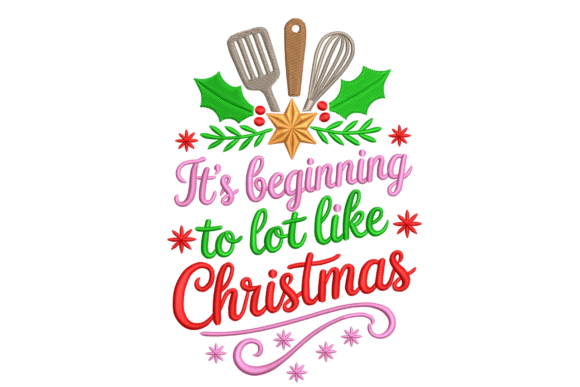
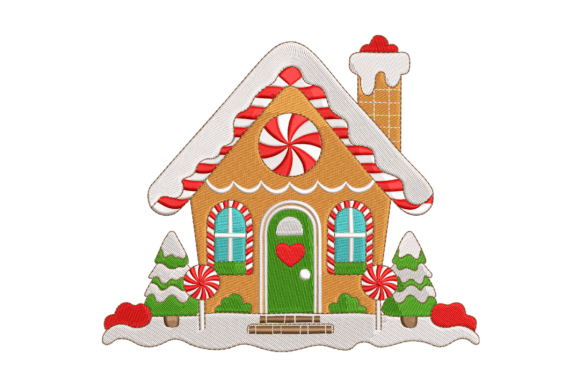
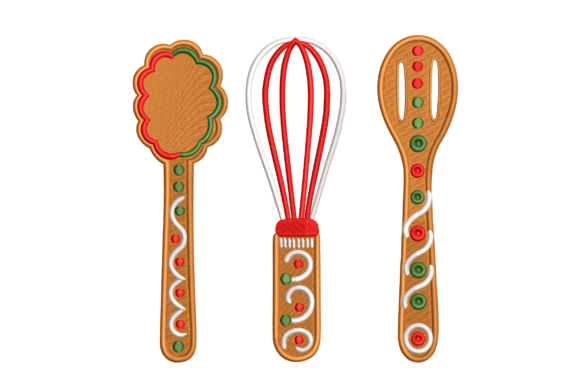
The moment you look at the Gingerbread Kitchen Tools file, the aesthetic is clear. It leans heavily into the "sweet" and "classic" categories. The imagery evokes memories of holiday baking, cozy winter afternoons, and the tactile joy of home cooking. For an Etsy seller, this visual language is gold. It does not feel modern or minimalist; instead, it feels handcrafted and inviting. This is crucial because our target audience—whether they are buying a gift for a newlywed couple or a baby shower present—is looking for that handmade quality that machine-made mass production simply cannot replicate.
The detail level is sophisticated enough to look elegant on a high-end linen tea towel but whimsical enough to work perfectly on a child’s apron. It strikes a balance between being decorative and functional. When I tested the preview on various fabric textures, the design maintained its integrity. It gave the creation a unique handcrafted feel, which is exactly what customers describe when they want something special. It is not just a kitchen tool graphic; it is a statement about hospitality and care.
Best Applications for Personalized Gifts
In my experience, the versatility of a design like Gingerbread Kitchen Tools lies in its ability to adapt to different gift occasions. Here is how I recommend utilizing this embroidery file for maximum impact:
- Baby Showers and Nursery Decor: While gingerbread is often associated with Christmas, the soft, rounded lines of kitchen tools can be adapted for a "first Christmas" theme. Imagine a blanket embroidery project featuring this design alongside the baby’s name. It creates a timeless keepsake that parents will cherish. The design works well on muslin blankets or soft cotton receives wraps.
- Wedding Gifts and Housewarmings: A set of embroidered towels featuring this motif is a classic housewarming gift. It signals that the couple is starting a home together. Use this as a custom embroidery option for couples who love to cook. Pairing the design with their wedding date adds a layer of personalization that increases perceived value.
- Kitchen Towels and Aprons: This is perhaps the most natural fit. An embroidered towel with this design becomes a functional piece of art. It is perfect for craft fair products where customers can see the texture of the stitches up close. For small shop product listings, photographing this on a rustic wooden table with flour-dusted hands creates an immediate emotional connection.
- Pillow Covers and Tote Bags: Don’t limit yourself to textiles meant for the kitchen. A canvas tote bag featuring Gingerbread Kitchen Tools makes for a fantastic grocery tote or a bridal party gift. A pillow cover adds a touch of seasonal warmth to a living room setting.
Where to Exercise Caution
While this design is charming, no single file is perfect for every scenario. As a professional, I must advise you to consider the limitations of your materials and the design’s structure. There are specific areas where Gingerbread Kitchen Tools requires careful handling:
- Small Lettering and Delicate Details: If the design includes fine text or very thin lines, test these elements rigorously. On thick terry cloth towels, small details can get lost or become stiff. Always check if the stitch density is appropriate for the fabric weight.
- Stretchy Fabrics: Avoid using this design on stretchy baby clothes without proper stabilization. Gingerbread motifs often rely on clean edges; if the fabric stretches during stitching, the image may distort. Use a cut-away stabilizer for any knit fabrics.
- Dark Fabric Contrast: Gingerbread tones are typically browns, creams, and reds. On dark fabrics, these colors may lack contrast and appear muddy. Stick to light-colored linens, whites, or creams to let the design pop. If you must use dark fabric, ensure you have high-contrast thread colors available.
- Frequent Washing: If you are creating items for commercial sale, such as aprons or dishcloths, remind customers that frequent washing can wear down intricate embroidery. Advise gentle cycles and inside-out washing to preserve the finished product.
Impact on Giftability and Brand Trust
When you offer a personalized gift featuring a design with such strong character, you are selling more than just an item; you are selling a feeling. Customers trust sellers who pay attention to detail. By choosing a design like Gingerbread Kitchen Tools, you demonstrate that you understand the emotional needs of your buyers. It enhances customer trust because the design looks intentional and curated, not generic.
Furthermore, this design boosts product photography potential. The inherent "coziness" of the motif makes it incredibly photogenic. You can create printable mockups that show the design on various backgrounds—rustic wood, marble countertops, or snowy windowsills—to engage buyers before they even purchase. High-quality visuals combined with a meaningful design lead to higher conversion rates for digital embroidery file sellers and physical goods makers alike.
Practical Embroidery Notes for Success
To ensure your final output matches your vision, follow these technical steps before committing to customer orders:
- Test on Scrap Fabric: Never run a large order without a test stitch-out. Check how the threads interact with your chosen fabric. Does the backing show through? Is the fabric puckering?
- Check Thread Color Contrast: Experiment with different thread palettes. Sometimes a slightly darker brown or a brighter cream can make the design stand out more effectively against the base fabric.
- Confirm Hoop Size: Ensure your hoop size accommodates the full design plus any monogramming you plan to add. Running out of space mid-design is a common pitfall.
- Review Stitch Density: If the design feels too stiff after stitching, you may need to adjust the underlay or top-stitch settings in your software. A softer hand-feel is usually preferred for garments and towels.
- Use Proper Stabilizer: For towels, a tear-away stabilizer might suffice, but for delicate linens or bags, a cut-away stabilizer provides better long-term support.
- Commercial Licensing: Before selling finished products, verify the license terms for this embroidery design. Some designers allow unlimited commercial use, while others require a separate license per item. Protect your business by confirming these details upfront.
In conclusion, Gingerbread Kitchen Tools is a versatile, emotionally resonant design that fits seamlessly into the world of embroidery and Kitchen Cooking themes. Whether you are creating a wedding gift or a baby product, this design offers the texture and beauty that modern consumers crave. By testing thoroughly and presenting it with care, you can turn a simple digital file into a treasured keepsake.