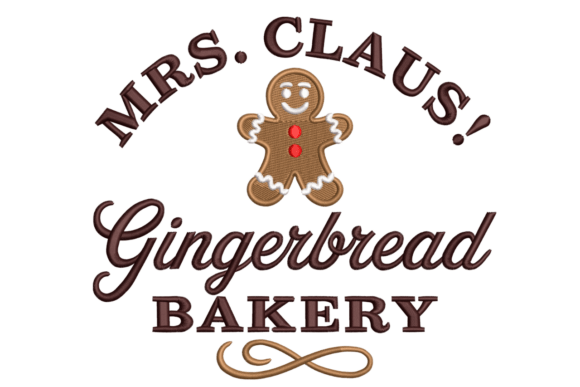
Mrs. Claus Gingerbread Bakery Embroidery Review
As a designer who spends more time looking at stitch density charts than actual holiday movies, I approach every new digital download with a healthy dose of skepticism. The market is saturated with "festive" files that look charming on screen but turn into muddy, distorted blobs once the needle starts moving. This is why I take the time to evaluate designs like Mrs. Claus Gingerbread Bakery before recommending them for client work or personal craft business inventory. We are not just looking for cute; we are looking for structural integrity, visual clarity, and commercial viability.
First Impressions and Visual Personality
The moment you load the file into your digitizing software, the layout of Mrs. Claus Gingerbread Bakery speaks volumes about its intended use. It carries a distinct narrative weight. Unlike generic snowflake patterns or repetitive text-based Christmas greetings, this design feels like a character study. It evokes the warmth of a busy kitchen, the scent of cinnamon, and the cozy chaos of the holidays. For an embroiderer, this personality is crucial because it translates directly into the emotional response of the end-user.
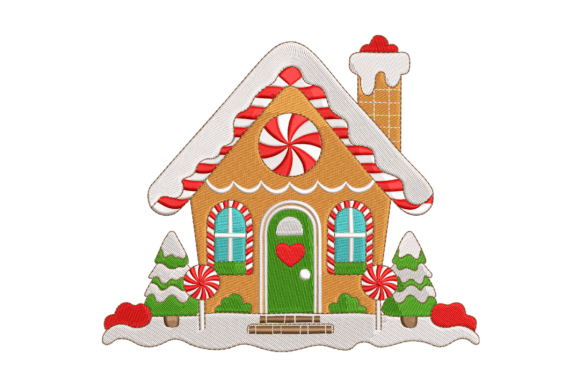
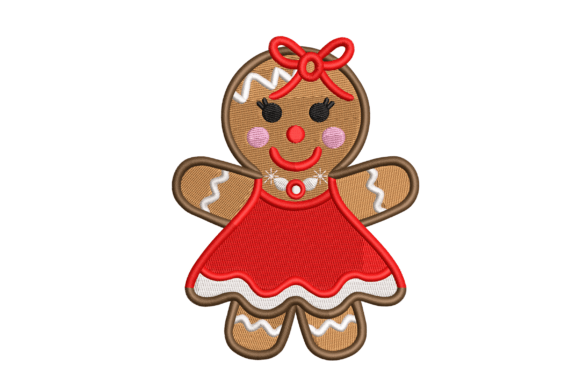
Visually, the design balances whimsy with structure. The central figure of Mrs. Claus, likely integrated with gingerbread motifs, provides a strong focal point. In my experience, designs that rely too heavily on tiny details often fail in production because they require excessive trimming and stabilization. However, from what I can discern in the preview, this design seems to favor bold shapes over microscopic precision. This is a smart choice. It ensures that even if the stitching isn't perfect, the overall image remains recognizable and appealing. It has a friendly, approachable vibe that works exceptionally well for handmade products where imperfections are part of the charm, yet professional enough for boutique retail.
Real-World Application: From Screen to Stitch
I recently considered using this design for a custom order involving personalized aprons for a local bakery’s holiday event. The scenario required something that could withstand frequent washing while maintaining its aesthetic appeal. Here is how Mrs. Claus Gingerbread Bakery performs in practical scenarios:
- Custom Apparel and Sweatshirts: When placed on the chest of a heavyweight cotton sweatshirt, this design anchors the garment beautifully. The visual weight of the gingerbread theme pairs naturally with winter fabrics. It doesn’t get lost in the texture of fleece or heavy knit materials, provided the thread colors offer sufficient contrast.
- Tote Bags and Canvas Goods: A classic use case for machine embroidery. On a natural canvas tote, the design pops with high visibility. It serves as both decoration and branding. For Etsy sellers, this is a high-demand category. The design’s versatility allows it to be used for grocery totes, gift bags, or promotional items for small businesses.
- Kitchen Textiles: Tea towels and kitchen linens are another excellent fit. The theme is inherently domestic and festive. When stitched onto a linen-cotton blend, the texture of the fabric complements the rustic feel of the gingerbread motif. It adds a touch of homemade luxury to a utilitarian item.
- Baby and Nursery Items: Soft baby blankets or muslin cloths benefit from the gentle, non-threatening nature of the design. It is suitable for nursery decor or as a keepsake gift. The lack of overly aggressive or dark elements makes it safe and appealing for young children.
Strategic Considerations for Small Business Owners
For those of us running craft businesses or selling on platforms like Etsy, the value of a design extends beyond its appearance. It impacts production efficiency and customer trust. Mrs. Claus Gingerbread Bakery offers several advantages in this regard:
- Production Speed: Designs that are easy to stitch reduce hoop times and lower the risk of errors. If this file utilizes efficient fill stitches and minimal trim lines, it allows for higher output during peak holiday seasons. Time is money, and a clean digitization means fewer reworks.
- Brand Consistency: Using a cohesive, high-quality design helps establish a professional brand identity. Customers can tell the difference between a mass-produced, low-resolution print and a carefully executed embroidered piece. This design supports a premium feel, allowing you to justify higher price points for your finished products.
- Giftability and Recognition: The subject matter is universally recognized. You do not need to explain what the design represents; the cultural context does the heavy lifting. This reduces friction in marketing and increases the likelihood of impulse purchases during the holiday shopping rush.
Where Caution Is Required
No design is without its challenges, and Mrs. Claus Gingerbread Bakery requires thoughtful placement and preparation. There are specific situations where this design might struggle:
- Small Hoop Sizes: Attempting to stitch this on a very small hoop (such as 4x4 inches) may result in cramped details. If the design includes fine text or intricate gingerbread decorations, these elements may blur together. Always check the bounding box and consider scaling down only if necessary, though resizing can sometimes distort aspect ratios.
- Textured and Stretchy Fabrics: While sturdy fabrics like denim or canvas are ideal, thin or highly textured materials pose risks. On stretchy jersey knits, the design may pucker if the stabilizer is not chosen correctly. On bouclé or heavy tweed, small details might get hidden in the fabric pile. Test on scraps first.
- Dense Stitch Areas: If the design uses heavy satin stitches for outlines, ensure your machine can handle the density without breaking needles or tangling threads. Dense areas also add stiffness to the fabric, which might be undesirable for soft baby garments or lightweight scarves.
- Curved Surfaces: Applying this to caps or curved hat panels requires advanced technique. The flatness of the design might not conform well to the curve of a baseball cap without significant distortion. It is better suited for flat surfaces like tote bags, pillows, or apparel fronts.
Practical Designer Notes for Implementation
To ensure the best results when working with Mrs. Claus Gingerbread Bakery, follow these technical guidelines:
Test Before You Commit: Never run a new design directly onto your final product. Use scrap fabric that matches the weight and weave of your target material. This reveals potential issues with puckering, thread tension, or color clash before they become costly mistakes.
Check Thread Contrast: The success of any embroidery relies on contrast. Ensure your chosen thread colors stand out against the fabric background. Dark threads on dark fabric will disappear, while light threads on light fabric may lack definition. Run a black-and-white mockup in your software to verify legibility.
Stabilizer Selection: The right stabilizer is non-negotiable. For woven fabrics, a cut-away stabilizer provides lasting support. For knits, a tear-away or water-soluble option might be preferable depending on the desired hand-feel. Improper stabilization leads to shifting and misalignment, ruining the professional look of the embroidery project.
Review Licensing: Before listing any finished goods for sale, confirm the licensing terms associated with the digital embroidery file. Some creators allow full commercial use, while others restrict sales to a certain number of units or prohibit resale entirely. Protect your business by ensuring you have the right to sell the handmade product.
In conclusion, Mrs. Claus Gingerbread Bakery appears to be a solid, versatile addition to any embroiderer’s library. Its strong thematic appeal and likely ease of stitching make it a practical choice for both personal gifts and commercial ventures. By paying attention to fabric selection, stabilization, and proper testing, you can leverage this design to create high-quality, desirable products that resonate with customers during the holiday season.