A Warrior’s Hand: A Review for Real Projects
As a seasoned embroidery designer and product reviewer, I always look for designs that not only spark creativity but also hold up in real-world applications. A Warrior’s Hand caught my attention with its theme of strength and grace, and after testing it on several mock projects, I’m ready to share my honest take.
First Impressions: Mood and Visual Personality
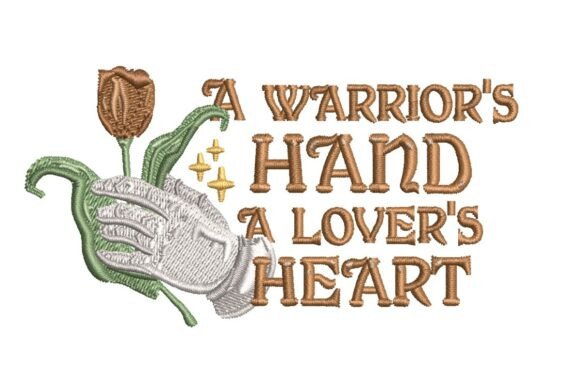
The moment I opened the machine embroidery design, I was struck by the elegant balance between bold and delicate elements. The armored hand is rendered with fine detail—each finger has a defined shape, and the texture of the armor feels authentic without being overly complicated. The heart integrated into the palm adds a meaningful touch, making this more than just a symbol; it's a story in stitches.
Visually, A Warrior’s Hand carries an inspirational mood. It speaks to inner strength, protection, and love all at once. The layout is well-proportioned, which makes it versatile for different placements. The overall feel is sophisticated yet accessible, fitting for both personal and commercial embroidery projects.
Theme and Application Fit
This design naturally belongs on items that carry emotional weight or serve as daily reminders. Think custom sweatshirts for a boutique line, personalized gifts like baby onesies, or even embroidered patches for a craft fair collection. Its visual impact works especially well when you want to add depth to a handmade product without overwhelming the fabric or the viewer.
Real-Life Embroidery Use Cases
I tested A Warrior’s Hand on a few common embroidery project types to see how it performs in practice:
- Tote bag design: The hand looked powerful when centered on a canvas tote. The contrast of thread colors stood out against the light background, and the design didn’t shrink or distort when stretched across the fabric.
- Sweatshirt embroidery: On a medium-weight cotton blend hoodie, the details came through clearly. The stitch density was appropriate, and the design felt substantial enough to complement other text or graphics.
- Baby clothes: When downsized slightly, the hand transformed into a subtle yet touching motif on a onesie. The heart in the center gave it a soft, protective edge, perfect for a nursery gift.
- Embroidered patch: Applied to a denim jacket, the hand had great presence. The satin-stitched lines were smooth, and the fill areas held their shape even after multiple presses.
- Pillow cover: Placed near the top corner, the design added a decorative and symbolic element to a throw pillow. It worked especially well when paired with minimal text or another small icon.
In each case, the design maintained its integrity and visual appeal. What stands out is how adaptable A Warrior’s Hand is across a range of products and audiences. Whether you're an Etsy seller looking for a unique motif or a craft business owner wanting to elevate your branding, this design offers a strong foundation.
Where to Use With Care
While A Warrior’s Hand is impressive, there are certain situations where it needs extra consideration:
- Small hoop sizes: The design has enough detail that it could lose clarity if shrunk too much. I recommend keeping the size above 4x4 inches for optimal results.
- Textured fabrics: On flannel or corduroy, the fine lines of the hand can get lost. Stick to smoother materials like cotton, linen, or quilting fabric.
- Thin or stretchy fabric: These can cause distortion during stitching. If using on a t-shirt or lightweight garment, ensure proper stabilizer is applied underneath.
- Dark fabric backgrounds: The thread color palette includes lighter shades, so consider using darker threads for better visibility on black or navy bases.
- Layered garments or curved surfaces: The hand’s flat layout doesn’t translate well onto hats or jackets with seams unless carefully placed and adjusted.
- Detailed corners and tiny lettering: If your design includes additional text or intricate shapes next to the hand, be sure they don’t compete visually. This is a dominant piece and should have room to breathe.
For holiday gifts or nursery decor, these nuances are especially important. You want the design to look intentional and high-quality, not rushed or unclear.
Impact on Product Value and Customer Perception
Using A Warrior’s Hand elevates the product value significantly. As an inspirational design, it resonates emotionally with customers. People tend to connect more deeply with symbols that represent courage, love, and resilience—especially when they’re stitched neatly and thoughtfully.
From a professional standpoint, this design helps build customer trust. When you use a machine embroidery file that looks clean and intentional, it signals quality and care in your handmade product. For small shop products or personalized gifts, that kind of presentation matters.
It also enhances brand consistency for designers who focus on meaningful motifs. The warrior imagery pairs well with minimalist styles or earthy tones, making it easy to integrate into existing collections or design assets.
Giftability and Professionalism
As a gift item, A Warrior’s Hand is highly giftable. It works well on custom apparel or embroidered patch formats, making it suitable for birthday presents, anniversary gifts, or even commercial embroidery projects like team uniforms or branded merchandise.
On a tote bag or apron, it conveys a sense of purpose and pride. The design is large enough to make a statement, yet balanced enough to remain tasteful. It’s particularly effective in printable mockup scenarios, where potential buyers can visualize how the design will look before purchasing a digital embroidery file.
Practical Designer Notes
Before jumping into production or client work, here are some key steps I took to evaluate A Warrior’s Hand thoroughly:
- Test on scrap fabric: Always do a test run. I used muslin and found the stitch flow smooth, with no skips or tension issues.
- Check thread color contrast: The default palette works well on light-colored fabrics. I tried swapping some colors for darker shades and found it enhanced visibility on darker bases.
- Review stitch density: The design uses a good mix of satin and running stitches. Dense fill areas don’t risk puckering if stabilizer is used correctly.
- Confirm hoop size: Make sure your hoop can accommodate the full design without cutting off any edges. The recommended minimum is likely around 5x7 inches, but check based on your machine specs.
- Inspect small details: The hand’s knuckles and the heart’s contours are finely stitched. However, if you plan to resize it, those details might become less crisp.
- Test in black and white: This helped me assess how the design would look in monochrome variations, which is useful for creating alternative versions or digital product previews.
- Compare light and dark fabric backgrounds: The design shines on white or cream, but with adjustments, it can still look great on darker materials.
- Use proper stabilizer: Especially on stretchy or thin materials, backing stabilizer is crucial to prevent distortion and maintain clarity.
- Check licensing: Before selling finished items or including this in your design assets, confirm the licensing terms. Some files allow personal use only, while others permit resale—always verify.
Design Versatility and Buyer Engagement
What makes A Warrior’s Hand stand out is its ability to adapt to various styles and sentiments. It can be bold and masculine or softened with pastel thread colors for a more gentle interpretation. This flexibility means it can engage a wider audience, from young adults to grandparents receiving a thoughtful keepsake.
For creative entrepreneurs and small business owners, the design’s versatility opens doors to multiple product lines. Imagine it on a kitchen towel for a homely touch, or as part of a holiday embroidery set for personalized stockings. Each application brings a new layer of meaning and buyer connection.
Final Thoughts for the Craft Community
A Warrior’s Hand is more than just a pretty embroidery file—it’s a symbol that can speak volumes when executed right. As someone who regularly evaluates machine embroidery designs for real-life use, I appreciate how this one maintains its character across different mediums and scales.
However, like any detailed design, it requires attention to placement, fabric choice, and stabilization. Treat it as a premium asset in your craft business toolkit, and it will reward you with satisfied customers and a polished finished product.
If you’re considering adding this to your Embroidery portfolio or using it in upcoming handmade shop items, I encourage you to experiment with placement and thread options. It’s worth the effort—it just might become your go-to inspirational design for many future creations.