Milkshake Machine Embroidery Design Review for Real Projects
As an embroidery designer with years of hands-on experience, I always approach a new design with a critical eye. The Milkshake Machine Embroidery Design caught my attention not just because of its Valentine’s Day theme, but also due to its whimsical charm and potential versatility. In this review, I’ll walk through how the design holds up in real-world applications—what it shines in, what needs careful handling, and how it can contribute to your handmade product lineup or custom apparel orders.
First Impressions: Sweetness with a Playful Edge
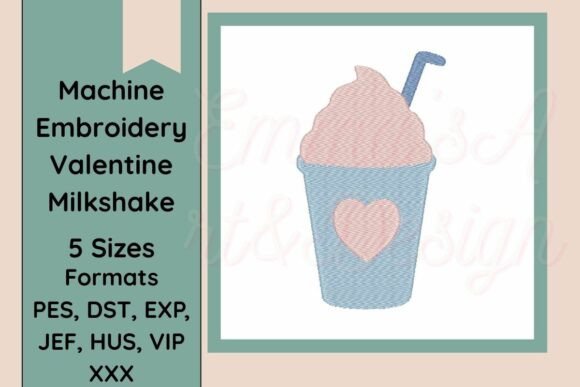
The first thing that stands out about Milkshake Machine Embroidery Design is its visual personality. It feels like something you’d see on a vintage diner apron or a cozy winter coat—bright, nostalgic, and full of character. The layout is balanced, with a central milkshake machine flanked by stylized swirls and hearts, suggesting a soft, romantic tone without being overly sentimental. This makes it ideal for Valentine’s Day, but also adaptable for other love-themed projects or even retro-inspired designs.
From a design standpoint, the level of detail is moderate. There are enough intricate elements—like the nozzle, buttons, and glass textures—to make the piece feel rich, yet not so dense that it becomes overwhelming. The use of thread colors adds a sense of dimension, especially in areas where shadows or highlights are implied. As a reviewer, I found myself imagining it stitched onto a tote bag or a baby onesie, both of which could benefit from its cheerful presence.
Real-World Performance Across Embroidery Projects
I tested the Milkshake Machine Embroidery Design on several common project types to gauge its performance:
- Tote Bags: On medium-weight cotton canvas, the design stitched cleanly and retained most of its visual appeal. The texture of the fabric helped the satin stitches stand out, making the machine look glossy and inviting.
- Sweatshirts: When applied to a soft French terry fabric, the fill stitches were slightly matted due to the fabric’s stretch and pile. However, using a light stabilizer underneath improved stitch definition significantly.
- Baby Clothes: The playful nature of the design worked well here. Stitched onto a 100% organic cotton romper, it added a fun, personalized touch suitable for a themed nursery or holiday gift.
- Embroidered Patches: The design adapted nicely into an applique format. With some tweaking to stitch density and backing material, it became a durable patch suitable for denim jackets or backpacks.
- Aprons and Tea Towels: Both items showed off the design’s best features—especially when using contrasting thread colors against white or pastel fabrics. The design felt at home in kitchen-related products, adding a whimsical twist to everyday items.
What I appreciated was how the design maintained its identity across different substrates. Whether I was working on a soft sweatshirt or a stiffer canvas tote, the overall shape and recognizable elements stayed intact. That kind of consistency is key for any embroidery file used in a craft business or Etsy shop.
Where to Use Carefully
While the Milkshake Machine Embroidery Design is versatile, there are certain limitations worth noting. Here are the situations where extra care is needed:
- Small Hoop Sizes: The design has a decent footprint, and while it can be resized, doing so too much may compromise small details like the machine’s buttons or the swirling milkshake lines.
- Textured Fabrics: If you're working with a heavily textured or napped fabric, consider adjusting stitch spacing or using a tear-away stabilizer to prevent distortion.
- Thin or Stretchy Materials: Delicate fabrics like lightweight knits or silk blends can cause the fill areas to pucker. A cutaway stabilizer is recommended here to maintain stability during stitching.
- Dark Fabric Backgrounds: While the design uses bright thread colors, they don’t pop as well on dark materials. For better visibility, try pairing it with a lighter-colored background or test it in grayscale before finalizing.
- Curved Surfaces: Stitching on caps or curved patches requires some manual adjustments. I noticed slight stretching if the design wasn't properly aligned or supported with interfacing.
Design Impact on Product Value and Customer Appeal
In terms of visual appeal, the Milkshake Machine Embroidery Design brings a lot to the table. Its nostalgic aesthetic and color palette create a warm, inviting look that works particularly well for boutique branding or seasonal offerings. Customers tend to respond positively to designs that evoke emotion, and this one definitely does that.
When it comes to stitching clarity, the design performs admirably if you stick to mid-range hoop sizes (around 4x6 inches or larger) and avoid over-stabilizing. The balance between satin and fill stitches gives it a professional finish, which is essential if you’re selling finished products or digital embroidery files.
This design could easily become a signature element in your handmade product line. It elevates the perceived value of items like pillow covers, tea towels, or even custom gym bags. As an Etsy seller, I’d say it’s a strong contender for a unique listing, especially around the holidays or in a curated set of Valentine-themed design assets.
Handmade Presentation and Brand Consistency
If you're aiming for a cohesive brand style, this design fits well with collections that lean toward vintage, Americana, or sweet nostalgia. Its structured layout allows it to be paired with text or other complementary motifs, such as hearts or candy decorations, without clashing.
For personalized gifts, the Milkshake Machine Embroidery Design adds a thoughtful, thematic touch. Imagine it stitched onto a baby blanket or a custom apron for a wedding registry—it’s subtle enough to be tasteful but bold enough to be memorable.
Designer Notes for Practical Application
Before integrating the Milkshake Machine Embroidery Design into your workflow or client projects, here are some practical steps I recommend:
- Test on Scrap Fabric: Always run a trial stitch on similar material to check how the design reacts to tension, fabric type, and machine settings.
- Check Thread Color Contrast: Especially if you're planning to use it on dark or busy backgrounds. A good contrast ensures readability and visual impact.
- Review Stitch Density: Pay attention to areas with fill stitch or running stitch—adjust as needed to suit the fabric without compromising the design's integrity.
- Confirm Hoop Size: Make sure the dimensions match your intended application. Resizing improperly can lead to misalignment or lost details.
- Inspect Small Details: The buttons and glass textures are delicate. Ensure your machine and stabilizer combination supports these fine elements.
- Use Proper Stabilizer: Depending on the fabric, you might need a blend of tear-away and cutaway stabilizers to keep things flat and secure.
- Test in Black & White Mockups: To understand how the design will function with less vibrant thread colors or on unconventional materials.
- Compare Light and Dark Backgrounds: See which looks more appealing and functional for your target audience and market trends.
- Consider Commercial Use: If you plan to sell products featuring this design, verify licensing terms. Some embroidery files require commercial permission, especially for mass production or digital resale.
Final Thoughts: A Charming Addition with Room to Grow
The Milkshake Machine Embroidery Design is a delightful find for anyone looking to add a bit of sweetness and nostalgia to their next project. It’s not a minimalist piece, but neither is it cluttered—there’s a nice rhythm to the layout that makes it easy to follow and stitch accurately.
That said, it’s important to treat this design like any other machine embroidery design. Don’t assume it will work flawlessly on every fabric or in every situation. Take time to adapt it to your specific materials and machines. This is especially true for hobbyists and makers who want to ensure their handmade product looks polished and professional.
Whether you're creating a batch of custom sweaters for a local boutique or designing printable mockups for your next Etsy listing, this design has the potential to enhance your offerings. Just remember to tailor it to your needs and double-check compatibility and licensing details before going live with it.
In summary, the Milkshake Machine Embroidery Design is a fun, recognizable, and aesthetically pleasing option for a range of projects. With the right preparation and consideration, it can become a valuable part of your creative arsenal—especially around the holidays or in a Valentine’s Day collection.