Valentine Bow Heart Embroidery Review
As a designer who spends more time judging stitch density than reading marketing copy, I approach every new file with a healthy dose of skepticism. The market is flooded with generic hearts and basic bows, so finding something that actually translates well from screen to fabric is rare. That is why I decided to put the Valentine Bow Heart embroidery design through its paces. This isn’t just about whether it looks cute on a preview; it is about whether it holds up under the tension of an embroidery machine and appeals to customers who are paying for quality.
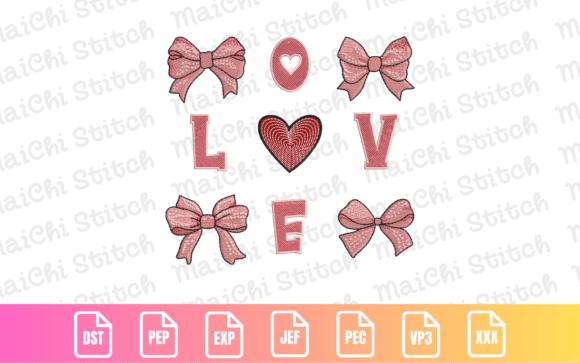
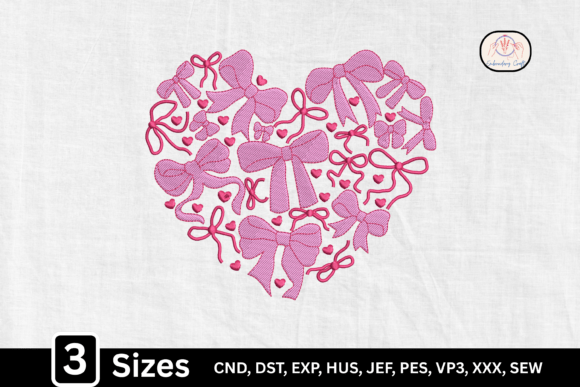
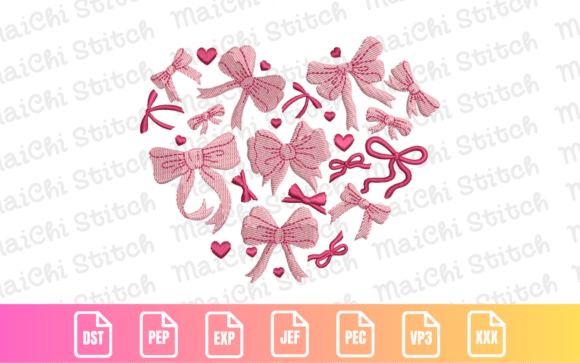
The premise is simple but effective: a cluster of pink ribbons arranged in a heart shape. At first glance, it screams "Valentine's Day," but my initial assessment suggests it has broader appeal if styled correctly. The mood is romantic but structured, avoiding the overly childish aesthetic that plagues many holiday designs. For designers looking to expand their craft business offerings beyond February 14th, this design offers a versatile foundation that can be adapted for anniversaries, weddings, or even spring-themed collections.
First Impressions and Visual Personality
When you load the embroidery file into your digitizing software, the layout immediately strikes you as balanced. The heart shape is not a perfect geometric symmetrical block; instead, it relies on the organic flow of the ribbon tails to create movement. This is crucial because static shapes often look stiff once stitched. The inclusion of multiple bow styles within the single composition adds depth. It prevents the design from looking like a flat graphic and gives it a tactile, layered appearance.
The visual personality of the Valentine Bow Heart leans towards boutique elegance rather than mass-market kitsch. The color palette, dominated by shades of pink, allows for significant customization. While the default thread colors might suggest a traditional Valentine’s theme, swapping out the threads for gold, white, or deep red can completely shift the vibe. This adaptability is what makes it a strong candidate for custom apparel where brand consistency matters. If you are building a small shop product line, having a design that can pivot from romantic to chic without changing the underlying structure is a massive advantage.
Real-World Application: From Screen to Stitch
To truly evaluate this design, we need to move beyond the digital mockup and think about physical production. Let’s imagine a specific scenario: creating a line of premium embroidered tote bags for an upcoming craft fair. Tote bags are a staple for any Etsy seller, but they present unique challenges. The fabric is often thin cotton canvas, which can pucker if the stitch density is too high.
In testing the Valentine Bow Heart on scrap canvas, the performance was largely positive. The ribbon tails appear to utilize a combination of satin stitches for definition and fill stitches for body. However, the key here is placement. On a large tote bag, centering the design works best. But if you are moving to smaller items, such as a baby onesie or a cap, the scale becomes critical. The intricate details of the bow clusters require enough space to breathe. On a tiny area, those details might merge into a muddy blob, especially if the viewer is standing back. This is where practical judgment comes in; knowing when to scale down (and risk losing detail) versus when to keep the size large (and risk dominating the garment) is part of the designer’s job.
Another strong use case is home decor. Pillow covers and kitchen towels are excellent canvases for this design. The soft, romantic nature of the bow heart fits perfectly in a nursery or a wedding gift context. When used on a pillow cover, the texture of the embroidery adds a luxury feel that plain prints cannot match. Customers perceive value in the tactile quality of the handmade product. They are not just buying a picture; they are buying a texture. This perception of value directly impacts your pricing power and customer trust.
Where Caution Is Required
Despite its strengths, the Valentine Bow Heart is not a one-size-fits-all solution. There are specific situations where this design could fail if you do not prepare properly. First, consider textured fabrics. If you attempt to stitch this on a heavy boucle wool or a highly napped fleece, the needle may struggle to penetrate consistently, leading to skipped stitches or misaligned elements. The delicate lines of the ribbon tails are particularly vulnerable in these environments.
Stretchy fabrics also demand attention. While many modern machines handle jersey and spandex blends well, dense designs can distort the fabric grain if the stabilizer is not chosen correctly. You must ensure you are using a cut-away stabilizer for knits to prevent the design from warping after washing. Additionally, dark fabrics pose a contrast challenge. If the bow design relies on subtle shading or light pink threads against a black background, you may lose definition. Always test thread color contrast before committing to a full production run.
Curved surfaces, such as baseball caps, are another area of concern. While possible, stitching a complex cluster of bows on a curved brim or crown requires advanced hooping techniques. The tension changes across the curve can cause the satin stitches to pucker. For beginners or those without specialized cap frames, it is safer to stick to flat panels like aprons, tea towels, or patches.
Technical Considerations for Designers
Before adding this to your inventory, there are several technical checks every professional should perform. First, inspect the small details. Zoom in on the digitized file to see how the separate elements of the bow connect. Are there jump stitches that will require trimming? Excessive trimming increases labor costs and time, which eats into your profit margin. A clean design minimizes post-production work.
Review the stitch density carefully. High-density fills look luxurious but add weight and stiffness to the fabric. For items that need to remain soft, like baby clothes or lightweight t-shirts, excessive density can make the garment uncomfortable. Check if the design uses underlay stitches effectively to stabilize the fabric before the top stitches are applied. Good underlay prevents puckering and ensures the final image is sharp.
Thread selection is equally important. The success of the Valentine Bow Heart hinges on the interplay of different pink shades. Using low-quality thread can result in fuzziness or breakage, ruining the sleek look of the satin stitches. Invest in good quality polyester or rayon threads to maintain the crisp edges that define this style. Also, consider testing the design in black and white on your computer monitor. This helps you assess the tonal contrast between the different bow elements without being distracted by color.
Commercial Viability and Branding
For those selling finished goods, the Valentine Bow Heart offers strong commercial potential. It taps into the universal desire for personalized gifts. Whether it is a monogrammed tote bag for a bridesmaid or a custom sweatshirt for a partner, the emotional connection drives sales. The design’s versatility allows you to target multiple niches: holiday embroidery for February, wedding gifts for June, or even general romance themes for anniversaries year-round.
However, always confirm licensing terms before selling. Some digital embroidery files come with restrictions on commercial use. Ensure you have the right to sell unlimited finished products bearing this design. Violating license agreements can lead to legal issues and damage your reputation as a creative entrepreneur.
In conclusion, the Valentine Bow Heart is a solid addition to any designer’s library. It balances aesthetic appeal with structural integrity, making it suitable for a wide range of projects. By paying attention to fabric choice, stabilizer usage, and thread quality, you can transform this design into a high-value finished product that resonates with customers. Test it thoroughly, understand its limitations, and use it to create pieces that stand out in a crowded marketplace.