Blue Wildflowers Embroidery Review
As an embroidery designer who spends countless hours evaluating digital files for seasonal collections, I approach every new addition with a mix of creative excitement and practical scrutiny. When Blue Wildflowers landed in my inbox, my first thought was not just about the aesthetic appeal, but how this design would perform in the high-stakes environment of holiday selling. We are looking at a design that promises to give fabrics a trendy makeover, but does it hold up when applied to real-world products? In this review, I am breaking down how this machine embroidery design fits into a curated lineup for holiday shoppers, Etsy sellers, and handmade gift makers.
First Impressions: Mood and Aesthetic Appeal
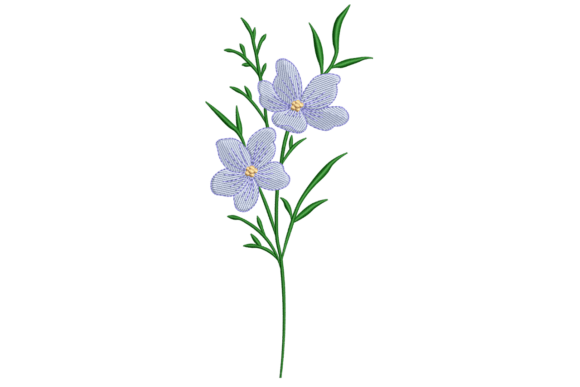
The moment you view the preview of Blue Wildflowers, the emotional tone is immediately clear. It strikes a balance between rustic charm and modern elegance. The blue hues suggest a cool, calming palette that stands out against the traditional reds and greens often dominating holiday displays. This makes it perfect for customers seeking something different—a fresh, eye-catching accent that feels both nostalgic and contemporary.
From a design perspective, the detail level is sophisticated without being overwhelming. The petals and leaves have enough definition to read clearly from a distance, which is crucial for craft fair displays or social media previews. It feels playful yet refined, making it suitable for a wide range of demographics. Whether you are targeting young parents looking for baby items or older consumers interested in home decor, this embroidery file has broad appeal. It evokes a sense of springtime freshness even in winter, offering a unique contrast that can boost visual recognition in a crowded marketplace.
Strategic Product Applications for Holiday Sales
When planning a seasonal collection, versatility is key. Blue Wildflowers is not limited to one type of product; its adaptability allows you to create diverse offerings that cater to different buyer needs. Here is how I see this design performing across various categories:
- Sweatshirt Embroidery: For cozy fall and winter apparel, placing the design on the chest or back of a neutral-colored sweatshirt creates a premium look. The blue tones pop beautifully against charcoal, navy, or cream fabrics, appealing to those looking for comfortable yet stylish holiday gifts.
- Tote Bag Design: A canvas tote featuring Blue Wildflowers is an excellent impulse buy at craft fairs. It serves as a functional accessory that doubles as a walking advertisement for your brand. The design’s clarity ensures it remains legible even on textured fabric surfaces.
- Kitchen Towel Embroidery: These are staple items for holiday gifting. Pairing the design with a simple border or monogram adds a personalized touch. The cheerful nature of wildflowers brings warmth to any kitchen, making it a thoughtful present for housewarmings or hostess gifts during the holidays.
- Pillow Cover Accents: For home decor enthusiasts, adding this motif to throw pillows introduces a soft, inviting element. It works well in layered arrangements on sofas or beds, enhancing the cozy atmosphere of a holiday gathering.
- Baby Items and Aprons: The gentle curves and soft colors make this design ideal for baby onesies, burp cloths, or children’s aprons. Parents love personalized gifts that feel special and unique, and this handmade gift option hits that mark perfectly.
- Embroidered Patch: Creating patches from this design allows for creative applications on denim jackets, hats, or backpacks. Patches offer a tactile experience that customers appreciate, adding perceived value to your finished products.
Performance in Real-World Selling Scenarios
In the digital age, how a product looks online is just as important as its physical quality. Blue Wildflowers translates exceptionally well into printable mockup graphics. The clean lines and distinct color separation ensure that thumbnail images remain sharp and attractive, increasing click-through rates on platforms like Etsy. When creating listings, you can highlight the design’s versatility by showing it on multiple product types, demonstrating to potential buyers that they can customize their purchase.
For social media engagement, the design’s aesthetic lends itself to beautiful photography. You can stage flat lays with seasonal props like pinecones, ribbons, or coffee mugs to create aspirational content. This helps build customer trust by showing the design in a lifestyle context, rather than just as a standalone graphic. Furthermore, using this design for limited edition apparel drops can create a sense of urgency, encouraging quicker purchasing decisions during peak holiday shopping periods.
Gift Bundles and Personalization
One of the strongest selling points of Blue Wildflowers is its compatibility with gift bundles. Imagine pairing a matching set of kitchen towels with a tote bag, all featuring the same cohesive design. This increases the average order value while providing the buyer with a coordinated look. Additionally, because the design is relatively compact, it leaves ample space for adding names or dates, turning a standard item into a cherished personalized gift. Family matching items, such as pajamas or ornaments, also benefit from this unified aesthetic, fostering a sense of connection among recipients.
Technical Considerations and Designer Notes
While the artistic merit of Blue Wildflowers is undeniable, successful production requires attention to technical details. As an experienced designer, I cannot stress enough the importance of testing before mass production. Here are critical factors to consider:
- Stitch Density and Fabric Texture: Ensure the stitch density is appropriate for the fabric you are using. On thick towels or dense fleece, excessive stitching can cause puckering. Always test on scrap pieces of your actual product material to confirm how the thread colors interact with the fabric texture.
- Hoop Size Constraints: Verify the recommended hoop size for this design. If you are working on smaller items like caps or tight corners, ensure the design fits within the usable area without cutting off essential details. Curved caps, in particular, require careful placement to avoid distortion.
- Stabilizer Selection: Using the correct stabilizer is non-negotiable. For stretchy garments, a cut-away stabilizer provides necessary support to prevent shifting during washing. For woven fabrics like cotton tea towels, a tear-away may suffice, but always prioritize stability to maintain crisp edges.
- Thread Color Testing: Digital previews do not always reflect reality. Test your chosen thread colors on both light and dark fabrics to ensure contrast and vibrancy. Metallic threads, if used, should be tested for friction issues and breakage rates.
- Commercial Licensing: Before selling finished products, confirm the commercial licensing terms of the digital embroidery file. Understanding these rights protects your business and ensures you are compliant with intellectual property regulations.
Conclusion for Seasonal Sellers
Blue Wildflowers is more than just a pretty picture; it is a strategic asset for any embroiderer looking to capitalize on the holiday season. Its blend of modern style and timeless charm makes it versatile enough for a wide array of products, from apparel to home decor. By paying close attention to technical execution—such as stitch density, stabilizer choice, and realistic mockups—you can maximize its appeal and drive sales.
For Etsy sellers and small business owners, incorporating this design into your collection can enhance brand consistency and emotional engagement with customers. It offers a fresh alternative to traditional holiday motifs, appealing to shoppers who want something unique yet familiar. Remember to check specific file details like format and exact dimensions before production, but rest assured that with proper preparation, Blue Wildflowers has the potential to become a standout bestseller in your seasonal lineup.